Why is Trump’s new IRS settlement triggering allegations of ‘self-dealing’?
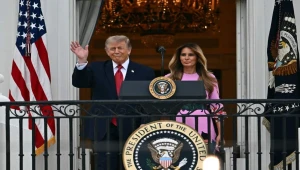
 A settlement between Donald Trump and the IRS has sparked accusations of self-dealing after the Justice Department barred future audits into past tax matters involving Trump and his family.
Summary
Donald Trump's new settlement with the IRS has sparked accusations of "self-dealing" after the Justice Department barred future audits into past tax matters involving Trump, his family, and his business empire. The agreement, signed by acting Attorney General Todd Blanche, includes a sweeping protection clause that "forever bars and precludes" the IRS from pursuing audits, examinations, or claims linked to tax returns and related issues that "were raised or could have been raised" before the settlement date. Critics argue that this unprecedented immunity-like protection, granted by agencies that ultimately fall under Trump's own administration, blurs the line between personal legal interests and presidential authority. Representative Richard Neal accused Trump of turning the federal government into "his personal protection racket." Legal experts have questioned how an IRS audit into tax compliance is directly connected to Trump's lawsuit over leaked records, noting that the original dispute centred on whether the IRS failed to properly protect confidential taxpayer information. The controversy is further complicated by the fact that Trump controls the executive branch agencies negotiating the settlement, creating an inherent conflict of interest. Blanche defended the settlement during congressional testimony, saying both sides waived claims that "were or could have been brought" as part of a broader resolution. The Trump Organization praised the deal, saying it sends a "clear bipartisan message that the weaponisation of federal agencies for political purposes will not be tolerated."
(Source:Firstpost)