Will Lawsuit Filers Fly to the Front of the Line for Tariff Refunds?
 Companies seeking $166 billion in tariff refunds may not gain priority through lawsuits, as CBP will process refunds through standard procedures.
Summary
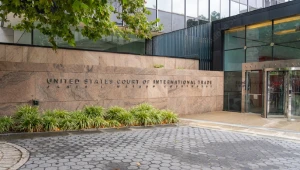
The process for receiving refunds of approximately $166 billion in tariffs collected under the International Emergency Economic Powers Act (IEEPA) remains unclear. While companies like FedEx and Costco quickly filed lawsuits to expedite the process, the Court of International Trade (CIT) has ruled that Customs and Border Protection (CBP) must handle refunds through existing procedures. Legal counsel Julia Bonestroo Banegas of Jones Walker suggests filing a lawsuit doesn’t guarantee faster access to funds, though early filers might receive quicker processing.
Importers face additional complexities with liquidated entries, potentially requiring protests within 180 days. CBP is developing a tool within its Automated Commercial Environment (ACE) portal to streamline IEEPA refunds, and importers are advised to set up Automated Clearinghouse (ACH) accounts for direct deposit. A significant issue arises from the fact that many companies passed tariff costs onto consumers, leading to class action lawsuits demanding refunds from those businesses.
Determining how to allocate refunds—between importers, sellers, and consumers—presents challenges, particularly given fluctuating tariff amounts. These refunds could also have complex tax implications, impacting importers’ financial reporting. While a windfall appears likely, companies that experienced revenue declines may find the benefit diminished. Ultimately, businesses are encouraged to consider goodwill gestures towards consumers, and the experience has increased legal awareness within the industry, preparing companies for future trade policy shifts.
(Source:Sourcing Journal)