The Reverse Logistics Reckoning: Inside Amazon’s $309 Million Settlement Over Return Practices
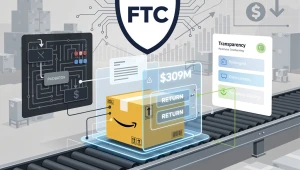
 Amazon settled for $309 million over allegations of misleading customers about return costs, signaling increased regulatory scrutiny of 'dark patterns' in e-commerce.
Summary
Amazon has agreed to a $309 million settlement with regulators regarding its return policies, specifically addressing claims that it obscured deduction fees from customer refunds. This settlement is a significant event, indicating a tightening regulatory environment around deceptive design practices – known as “dark patterns” – and the high costs associated with reverse logistics. The core issue was that Amazon’s user interface misled consumers into believing returns were free, when restocking or shipping fees were often deducted without clear disclosure.
This case sets a precedent for the entire e-commerce sector, moving beyond reliance on Terms of Service for disclosing fees. The Federal Trade Commission (FTC) is increasingly focused on digital deception, demanding that material terms affecting consumers’ finances are presented transparently during transactions. Amazon’s attempt to subtly pass return costs onto consumers was driven by the rising economic burden of returns, which can range from 20% to 65% of the cost of goods sold. The company is now implementing more overt measures to curb returns, such as flagging frequent returners and charging fees.
The settlement also impacts third-party sellers on Amazon’s marketplace, who often bear the brunt of return costs. Amazon will likely standardize return policies, potentially reducing seller autonomy. Culturally, this signals the end of the era of consequence-free returns, and retailers will need to invest in technologies like AI-driven sizing tools to reduce return rates. Ultimately, the settlement creates a “compliance moat,” potentially increasing operational costs for smaller competitors and emphasizing that user interface design carries legal weight.
(Source:Webpronews)