Oura lawsuit alleges the rings don't accurately track sleep
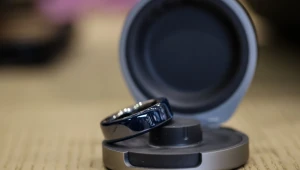
 A California class-action lawsuit claims Oura Ring's sleep tracking is inaccurate and based on faulty AI guesswork.
Summary
The lawsuit, filed on August 20, 2026, in the Northern District of California, alleges that the Oura Ring cannot accurately track sleep because it does not measure brain electrical activity, eye movements, muscle tone, and other physiological signals typically captured via electrodes and sensors. Instead, the complaint claims Oura's AI models merely guess at sleep patterns based on improper inputs, misleading consumers who rely on the data for health insights. The suit, brought by Clarkson Law Firm and named plaintiff Madison Surber, states that Surber purchased an Oura Ring 4 Gold in May 2025 for $513.68, believing it would provide reliable sleep data. It accuses Oura of fraudulent advertising, breach of express and implied warranties, unjust enrichment, and violations of California’s Unfair Competition Law, False Advertising Law, and Consumers’ Legal Remedies Act. Over 100 class members are seeking more than $5 million in compensation. In response, Oura issued a statement to Mashable affirming that it stands behind its science, research, and accuracy claims, and is committed to clearly communicating what the ring measures versus estimates, while disputing the allegations and intending to defend the case in court.
(Source:Google News)