Trump Administration Defends Anthropic AI Restrictions in Ongoing Federal Lawsuit
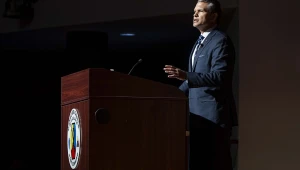
 The Trump administration defends restricting Anthropic's AI products, arguing it acted lawfully after the company resisted Pentagon demands.
Summary
The Trump administration has defended its decision to restrict Anthropic's artificial intelligence products in a federal court filing, arguing that the government acted lawfully after the AI company resisted Pentagon demands regarding military applications of its Claude chatbot. The filing, submitted Monday in San Francisco federal court, states that government agencies moved to limit access to Anthropic's technology following disputes over national security concerns. The administration rejected allegations that it unlawfully retaliated against the company, which claims it was targeted for exercising its protected speech rights. The U.S. Department of Justice also challenged the legal basis of Anthropic's lawsuit, arguing that the case should be dismissed because the company is not contesting a "final agency action." Anthropic filed its lawsuit on March 9, accusing President Donald Trump and Defense Secretary Pete Hegseth of improperly placing the company on a national security blacklist. The AI startup argues that the restrictions violate its constitutional rights, including free speech and due process protections. The dispute emerged after the Pentagon imposed a supply-chain risk designation on Anthropic, limiting government use of its AI systems. Sources familiar with the matter said the technology had been used in military-related operations involving Iran. The designation reportedly followed Anthropic's refusal to remove safeguards that prevent Claude AI from being used for autonomous weapons systems and domestic surveillance programs. On March 26, U.S. District Judge Rita Lin temporarily blocked the Pentagon's blacklisting action, providing Anthropic with a temporary legal victory while the case proceeds. The lawsuit has become a closely watched legal battle in the artificial intelligence industry, raising broader questions about government authority over AI companies and the extent to which developers can control how their technologies are deployed. Anthropic, which confidentially filed for a U.S. initial public offering on June 1, is also pursuing a separate lawsuit in Washington, D.C., challenging another Pentagon designation that could affect its eligibility for future federal contracts.
(Source:Econotimes)