Musk’s lawsuit against OpenAI seen as a ‘test case’ for AI ethics
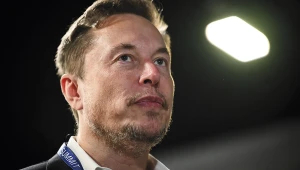
 Elon Musk is suing OpenAI, claiming it violated its nonprofit mission by prioritizing profit, a case experts view as a critical test for AI ethics.
Summary
A federal court in Oakland, California, will hear a lawsuit filed by Elon Musk against OpenAI, the parent company of ChatGPT, beginning April 27. Musk, who left OpenAI in 2018, alleges that the company's leaders manipulated him into believing he was contributing to a nonprofit focused on the "benefit of humanity." He is seeking to return the company to its nonprofit status and obtain monetary compensation. OpenAI counters that Musk, who has since founded his own for-profit company, xAI, is misrepresenting facts to gain a competitive edge. The company claims Musk was aware of and open to the transition to a for-profit model. Experts, such as David Tuffley, describe the trial as a "test case" for AI ethics, highlighting the tension between corporate profit and the public good. The case raises fundamental questions about the responsibility of technology companies in the development of artificial intelligence. Musk's own AI product, Grok, has also faced scrutiny for generating harmful content. OpenAI faces multiple other lawsuits, including claims of illegal data usage and providing harmful advice. The company has faced criticism for its Pentagon contract and the subsequent backlash. OpenAI CEO Sam Altman has published a blueprint for AI policy, including proposals for taxing businesses that replace human workers with robots.
(Source:The Christian Science Monitor)